Rethinking Clinical Trial Outsourcing: Site Selection, CRO Partnerships & Global Competitiveness
 9 mins ago
By Bryan


Are traditional clinical trial outsourcing models still fit for purpose, or does the industry need to rethink how sponsors, CROs and investigative sites collaborate?
Insights from Proventa International’s Clinical Operations & Clinical Trial Supply Chain Strategy Meeting Europe, London | 27 October 2026
As clinical development becomes increasingly complex, biotech and pharmaceutical companies face growing pressure to accelerate patient recruitment, control costs and generate high-quality clinical data. Yet the decisions that ultimately determine trial success often happen long before the first patient is enrolled.
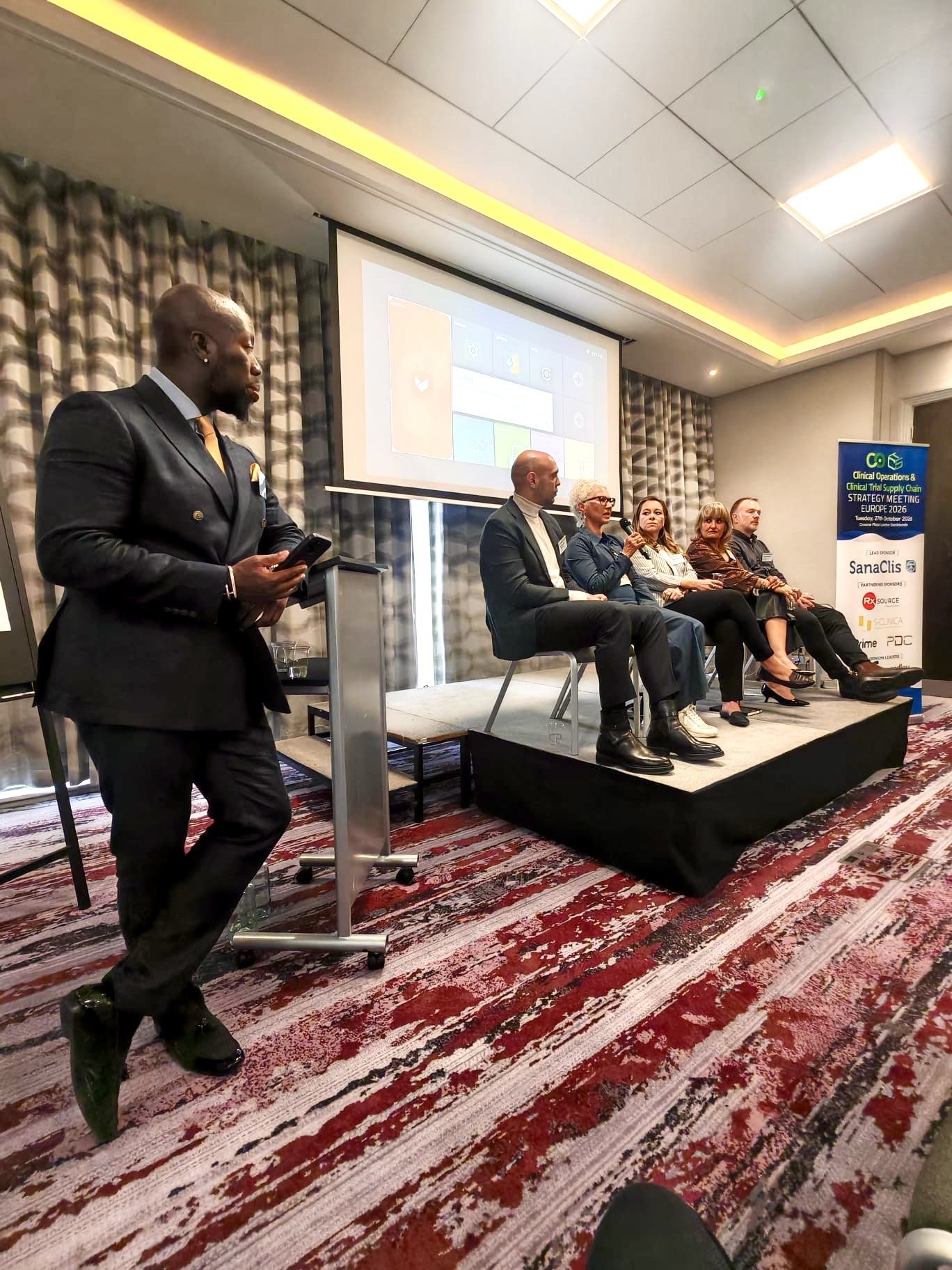
At Proventa International’s recent Clinical Operations & Clinical Trial Supply Chain Strategy Meeting Europe in London, industry leaders came together to examine how clinical trial outsourcing strategies are evolving, whether specialist CROs can compete with larger global providers, and how emerging markets are reshaping traditional approaches to site selection.
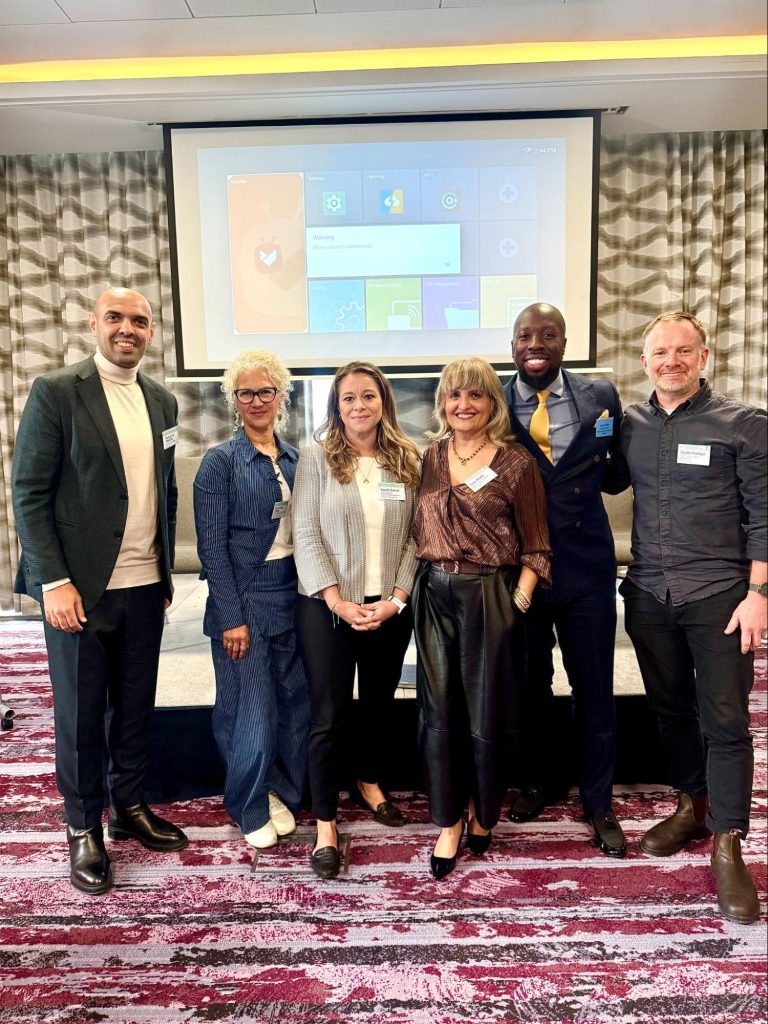
Moderated by Louis Smikle, Executive Director, Global Strategic Partnerships at ARENSIA Exploratory Medicine and Founder of Proventa International, the panel brought together five experienced clinical operations leaders:
- Charmaine O’Neill, Vice President, Clinical Operations, Vantage Biosciences & Axovia Therapeutics
- Suki Malhi, Head, Clinical Operations, GRIN Therapeutics
- David Holman, Head, Clinical Program Management, 30 Technology
- Sarah Scorer, Senior Director, Head of Clinical Operations, Tangram Therapeutics
- Mohamed Mostafa, Chief Executive Officer, PDC-CRO
The discussion revealed a common theme: successful clinical development is not simply about selecting the fastest country, the cheapest provider or the largest CRO. It is about building an operating model that aligns scientific objectives, operational capabilities and the right partnerships.
1. Emerging Clinical Trial Markets: Challenging Traditional Perceptions
For decades, clinical trial site selection has been heavily influenced by established markets such as the United States, United Kingdom and Western Europe.
However, several panellists challenged the assumption that traditional locations necessarily offer the best combination of recruitment performance, regulatory efficiency and clinical expertise.
One panellist reflected on the industry’s historical reluctance to conduct clinical trials in Eastern Europe approximately 20 years ago, when concerns around data quality, investigator experience and regulatory acceptance often discouraged sponsors from exploring the region.
Today, countries such as Romania, Moldova and Ukraine have established track records in international clinical research.
The panel highlighted an example involving a rare disease programme where recruitment had previously progressed slowly across traditional Western markets. Following a change in geographical strategy and collaboration with an experienced regional partner, recruitment was completed in approximately eight weeks.
For rare disease studies, where identifying even a small number of eligible patients can be challenging, this illustrates the potential impact of geographical strategy.
The Middle East also featured prominently in the discussion, particularly the UAE and Jordan, where access to diverse patient populations and developing clinical research infrastructure may offer opportunities for sponsors.
However, the panel also emphasised the importance of considering population diversity, regulatory expectations and the geographical distribution of clinical data.
The key lesson: Emerging markets should not automatically be viewed as higher-risk alternatives. Site selection should be driven by objective assessments of investigator capability, patient access, infrastructure, regulatory requirements and the overall development strategy.
2. Full-Service CROs vs Hybrid Outsourcing: Which Model Delivers Greater Value?
One of the most engaging debates centred on the future of clinical trial outsourcing.
Historically, smaller biotechnology companies have frequently relied on full-service CROs to manage clinical development programmes, particularly where internal clinical operations resources are limited.
The advantages are clear: a single primary outsourcing partner, coordinated operational delivery and simplified vendor management.
However, the panel questioned whether full-service outsourcing always offers the flexibility, specialist expertise and operational responsiveness that emerging biotechnology companies require.
The argument for hybrid outsourcing
Hybrid models allow sponsors to select specialist partners for particular functions, therapeutic areas or geographical regions while retaining greater control over the overall programme.
For example, a sponsor might appoint a global CRO for project management and monitoring while contracting directly with specialist clinical trial sites or regional providers.
Panellists shared examples where these arrangements had worked effectively, particularly when sponsors maintained strong relationships with their specialist partners.
However, the model introduces additional responsibilities.
For a small biotechnology company with only a handful of internal employees, managing multiple vendors can create significant operational complexity.
Several panellists stressed that successful hybrid outsourcing requires sufficient internal expertise across clinical operations, medical oversight, regulatory affairs and potentially data management and quality assurance.
Without clearly defined responsibilities, accountability can become fragmented.
When full-service outsourcing makes sense
For larger multinational studies requiring extensive geographical coverage, a global CRO may offer significant advantages through its established infrastructure and regional teams.
For smaller early-phase programmes, however, specialist CROs may provide a more tailored approach.
The panel broadly agreed that the optimal outsourcing model depends on the size, complexity, geographical footprint and strategic objectives of the study, as well as the sponsor’s internal resources.
There is no universal solution.
3. Are Large CROs’ Dedicated Biotech Divisions Delivering Genuine Agility?
An especially interesting discussion explored the growing number of large CROs establishing dedicated biotech business units.
These divisions are often positioned as providing smaller biotechnology companies with the personalised attention and flexibility typically associated with specialist CROs.
However, several panellists questioned whether these offerings fundamentally change how the larger organisations operate.
While sponsors may benefit from dedicated account teams, the underlying infrastructure for contracting, budgeting, study start-up and vendor management may remain unchanged.
Panellists described experiences where relatively small clinical programmes were required to navigate complex internal processes originally designed for much larger studies.
For emerging biotechs operating with limited funding, these challenges can have material consequences.
Clinical development milestones are frequently linked to financing events, investor confidence and decisions about future development.
Delays in study activation, unexpected budget increases or lengthy contractual negotiations can therefore affect more than the clinical timeline.
The discussion raised an important question for the outsourcing industry:
Can large CROs genuinely replicate the flexibility of smaller specialist providers without fundamentally changing their operating structures?
Equally, specialist CROs must demonstrate that they can deliver the necessary quality, geographical coverage and operational resilience.
Ultimately, sponsors need to evaluate the delivery model behind the commercial proposition rather than relying solely on the size or branding of the provider.
4. UK vs Rest of World: How Competitive Is the UK?
The UK’s competitiveness as a clinical trial destination was another important area of discussion.
Panellists acknowledged the country’s strong scientific expertise, established clinical research infrastructure and experienced early-phase units.
The UK’s evolving regulatory environment was also recognised as an opportunity to strengthen its position internationally.
However, regulatory approval timelines represent only one component of the overall study start-up process.
During the discussion, Moldova was highlighted as an example of a country offering rapid regulatory approvals for certain clinical trial applications, with a reported timeline of approximately 10 working days and additional time required for import licensing.
Other markets, including Australia, South Africa, Jordan and the UAE, were discussed in relation to cost, patient access, regulatory processes and operational capabilities.
The panel emphasised that choosing a country solely because of its regulatory timeline can be misleading.
Sponsors must also consider contracting, investigational product availability, import requirements, site readiness and patient recruitment.
For biotechnology companies, the most valuable outcome is not necessarily the earliest regulatory approval.
It is the ability to generate reliable clinical data within a predictable timeframe and budget.
5. The Missing Link: Stronger Sponsor–CRO–Site Collaboration
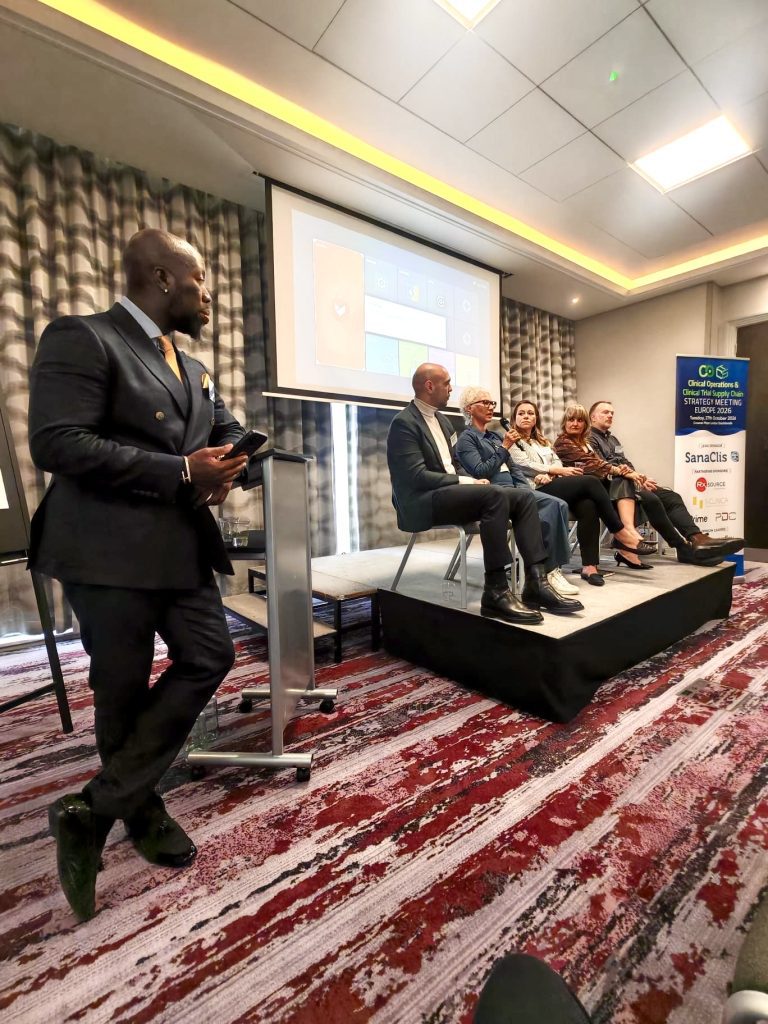
A particularly important discussion focused on how sponsors and CROs engage with investigative sites.
From the site perspective, there is often a disconnect between early feasibility assessments and the final operational requirements of a clinical trial.
Sites may initially receive a high-level protocol synopsis and be asked to provide recruitment projections, budgets and activation timelines within a very short period.
However, as the protocol develops, even relatively small changes to eligibility criteria can substantially alter recruitment potential.
Louis Smikle highlighted examples from ARENSIA where initial projections based on an early synopsis could change dramatically following protocol refinement.
A study initially considered feasible for 20 patients across two sites might subsequently support only five patients at one site, or potentially become infeasible altogether.
This creates downstream challenges for contracting, budgeting and sponsor expectations.
Should investigators be involved earlier?
The panel discussed the value of engaging principal investigators, sub-investigators and sponsor clinical development teams earlier in the feasibility process.
Rather than treating sites solely as execution partners, sponsors could benefit from their practical clinical insights while protocols are still being refined.
Early investigator engagement may help identify recruitment challenges, operational constraints and potential protocol amendments before they affect study timelines.
Site feasibility should be an ongoing scientific and operational conversation, not simply a questionnaire completed at the beginning of a study.
6. The CRA Relationship: Is the Industry Creating Unnecessary Complexity?
Another lively discussion examined the fragmentation of site communication within larger CRO operating models.
Panellists described situations where investigative sites interact with multiple individuals throughout feasibility, contracting, study start-up and monitoring.
In some cases, the CRA ultimately responsible for the site may not become actively involved until relatively late in the activation process.
This can create uncertainty around responsibilities and weaken continuity between the site and the CRO.
One proposal discussed was to involve the assigned CRA from the site selection stage or, where this is not possible, at least four to six weeks before activation.
This would provide an opportunity to establish relationships with investigators and site coordinators before recruitment begins.
The panel also recognised that different approaches may be appropriate depending on the size and structure of the investigative site.
Large hospitals with dedicated contracting, regulatory and clinical research departments may benefit from specialised communication channels.
Smaller sites may work more effectively with a single consistent point of contact.
The underlying principle remains the same: clear accountability, continuity and effective communication are essential to successful site relationships.
Sponsors also need to maintain direct engagement with investigators without undermining the authority of their CRO partners.
7. Faster Regulatory Approval Does Not Always Mean Faster Clinical Development
A recurring theme throughout the panel was the difference between speed and operational readiness.
One audience question highlighted the challenges faced when sites receive rapid regulatory approval but investigational product manufacturing or supply is delayed.
For complex therapies, particularly those requiring specialised manufacturing and clinical infrastructure, these delays can be substantial.
The consequences extend beyond the study timeline.
Sites may have already allocated staff, reserved facilities and begun identifying patients.
If investigational product supply is delayed by several months, those resources may remain underutilised while additional costs accumulate.
Panellists stressed the importance of aligning clinical operations, CMC, regulatory affairs, supply chain and site activation from the earliest stages of development.
Transparent communication with investigators is equally important, particularly when unforeseen manufacturing or logistical challenges arise.
The fastest regulatory pathway offers limited value if the wider development programme is not operationally ready.
8. Artificial Intelligence: The Next Evolution in Site Management?
The discussion also explored the potential impact of artificial intelligence on clinical trial delivery.
Mohamed Mostafa shared insights into initiatives examining AI-enabled integration with hospital systems to support patient identification and site management.
The approach involves using structured and unstructured clinical data to identify potentially eligible patient populations more efficiently.
He described work comparing AI-integrated approaches with more conventional site management models, although definitive comparative results were not yet available.
The potential benefits are significant, particularly in reducing manual patient identification efforts and improving the speed of early feasibility assessments.
However, data privacy, information security, regulatory requirements and hospital integration remain important considerations.
The panel recognised that while AI may transform aspects of clinical trial operations, strong relationships between sponsors, CROs, investigators and patients will remain fundamental.
Technology should enhance operational delivery rather than replace the human expertise required to manage complex clinical programmes.
9. What Should Sponsors Keep In-House?
Another valuable discussion focused on the functions that biotechnology companies should retain internally when outsourcing clinical development.
While opinions differed on the precise organisational structure, several panellists emphasised the importance of maintaining ownership of the scientific strategy.
Protocol development, medical expertise and an understanding of the investigational product were identified as particularly important.
Clinical operations oversight, regulatory expertise, quality assurance and access to data management capabilities were also discussed.
The extent of these internal resources will naturally depend on the size and complexity of the programme.
However, the principle was clear:
Outsourcing operational delivery does not remove the sponsor’s responsibility for scientific decisions, quality and oversight.
A successful partnership requires sponsors to remain sufficiently engaged and informed to challenge assumptions, make decisions and respond to emerging risks.
10. Looking Ahead to 2027: What Will Define Successful Clinical Trial Outsourcing?
As the industry looks towards 2027 and beyond, the panel highlighted several developments likely to influence clinical outsourcing strategies.
Sponsors are increasingly evaluating opportunities beyond traditional clinical trial markets, particularly where patient access and operational efficiency can support faster development.
Specialist CROs and regional providers may continue to attract interest from biotechnology companies seeking more personalised delivery models.
At the same time, larger CROs will remain important for complex multinational programmes requiring extensive infrastructure and geographical coverage.
Hybrid outsourcing models offer opportunities for flexibility but demand stronger internal governance and clearly defined responsibilities.
Artificial intelligence may increasingly support patient identification and operational decision-making, although implementation will require careful consideration of data governance and practical integration.
Perhaps most importantly, the relationship between sponsors, CROs and investigative sites will need to evolve.
Earlier scientific engagement, transparent communication and continuity throughout site activation and recruitment can help reduce avoidable delays.
Final Thoughts
The discussion demonstrated that there is no single outsourcing model or geographical strategy capable of meeting every clinical development requirement.
The most effective approach is one that reflects the scientific objectives of the programme, the sponsor’s resources, the capabilities of its partners and the realities of patient recruitment.
For emerging biotechnology companies, these decisions are particularly consequential, with development milestones often directly linked to future financing and investment.
Ultimately, successful clinical development requires more than regulatory speed or operational scale.
It requires the right partners, clear accountability, realistic planning and a shared commitment to delivering high-quality clinical data.
Continuing the Conversation
Proventa International’s Strategy Meetings bring together senior leaders from pharmaceutical companies, biotechnology organisations, CROs and specialist service providers to exchange practical insights, challenge conventional approaches and build meaningful industry relationships.
Our thanks go to Charmaine O’Neill, Suki Malhi, David Holman, Sarah Scorer and Mohamed Mostafa for sharing their experiences and perspectives, and to everyone who contributed questions during the discussion.
As we approach 2027, one question remains: will clinical trial outsourcing become increasingly specialised and collaborative, or will the industry continue to rely predominantly on traditional full-service models?
Discover more about Proventa International’s upcoming Clinical Operations & Clinical Trial Supply Chain Strategy Meetings at www.proventainternational.com.
SAVE THE DATE – Clinical Operations & Clinical Trial Supply Chain Strategy Meeting Europe – Crowne Plaza, London Docklands – 26th October

Navigating the Complex World of Global Regulatory Affairs in Oncology
In today's fast-paced global pharmaceutical landscape, the regulatory affairs sector plays a pivotal role in ensuring the safety, efficacy, and market access of oncology drugs. As the demand for innovative cancer therapies continues to grow, understanding the intricacies of global...
3 years agoNavigating the Complex World of Global Regulatory Affairs in Oncology
In today's fast-paced global pharmaceutical landscape, the regulatory affairs sector plays a pivotal role in ensuring the safety, efficacy, and market access of oncology drugs. As the demand for innovative cancer therapies continues to grow, understanding the intricacies of global...
3 years ago
The Vital Role of Institutional Review Boards (IRBs) in Oncology Research
In the world of medical research, ethics play a paramount role. Researchers, especially in fields like oncology, are constantly striving to find innovative solutions and treatments to combat cancer. However, these advancements must be achieved within the boundaries of ethical...
3 years agoThe Vital Role of Institutional Review Boards (IRBs) in Oncology Research
In the world of medical research, ethics play a paramount role. Researchers, especially in fields like oncology, are constantly striving to find innovative solutions and treatments to combat cancer. However, these advancements must be achieved within the boundaries of ethical...
3 years ago
Data Privacy and Security in Oncology Trials
In today's digital age, data privacy and security have become paramount concerns across various industries, including healthcare. Within the realm of clinical research, particularly in oncology trials, safeguarding patient data is of utmost importance. This article delves into the critical...
3 years agoData Privacy and Security in Oncology Trials
In today's digital age, data privacy and security have become paramount concerns across various industries, including healthcare. Within the realm of clinical research, particularly in oncology trials, safeguarding patient data is of utmost importance. This article delves into the critical...
3 years ago